
So, what’s Biophillic Design All About
Let’s face it_ most of us barely get outside anymore. Between the daily grind, endless scrolling and city living,nature slips further away. But our brains and bodies still crave that connection.thats where biophillic design steps in it’s about pulling nature back into our homes and workplaces with sunlight, plants water and natural materials that wake up a space and make it fell well,alive.
The Core Idea Behind Biophilic Design
“Biophilia” is just a fancy way of saying we love life and living things. Turns out, people are wired to seek out nature—it’s in our DNA. Biophilic design taps into that and turns it into real spaces that feel healthier and more inviting. Here’s what that actually means:

Letting sunlight flood in through big windows or skylights.
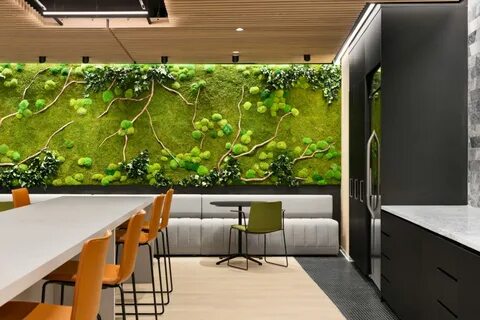
Bringing plants inside—maybe just a few pots or going all-out with a living wall.
Choosing real stuff like wood, stone, and bamboo instead of fake plastics.
Using shapes and patterns you’d find outside—curves, ripples, anything that feels organic.
Bringing in gentle sounds or scents—a little water fountain, the smell of herbs, stuff that makes you want to take a deep breath.
Why Bother With Biophilic Design?
Sure, plants and sunlight make a place look better, but it goes deeper. Being around natural elements just feels good. Science backs it up: nature helps you relax, lifts your mood, and sharpens your focus.

Here’s what you actually get:
- Greenery soothes nerves and eases anxiety.
- Natural light perks you up and helps you concentrate.
- Plants clean up the air and keep humidity in check.
- Offices with biophilic design have more creative, happier folks working in them.
- How to Bring Biophilic Design Into Your Space
- You don’t need a big budget or a full-on remodel to get started. Even a couple of small changes can make your place feel fresher.

Try this:
- Add a few low-maintenance plants—pothos, snake plant, or peace lily are basically foolproof.
Go for colors that feel outdoorsy—leafy greens, warm browns, soft beiges.
- Open up to more sunlight—swap out heavy drapes for something light and breezy.
- Pick real materials when you can—maybe a wooden chair or rattan baskets.
Set up a small water feature, even if it’s just a little tabletop fountain.
- If you’re lucky enough to have one, make your balcony or patio an extension of your living space. Even a tiny garden nook helps.

Where Biophilic Design Shows Up
At home, maybe it’s a wall covered in plants, bamboo floors, or a balcony with a splash of green.
In offices, think plant clusters, big windows, and work areas that borrow from outdoor vibes.
Hotels and resorts go wild—waterfalls, earthy textures, green roofs, you name it. The goal? Make it easy for guests to relax.
All of these places prove you don’t have to choose between style and feeling good. With biophilic design, you get both.
The Bottom Line
Biophilic design isn’t just some trend that’ll fade away. It’s a smarter way to think about where—and how—we live and work. When we let a bit more of the outside world in, our spaces not only look better, they help us breathe easier, focus more, and just feel good. Nature belongs where we spend our time, and honestly, so do we.