
As the crisp autumn air settles in across Canada and daylight hours shorten , its time to ready your home for the harsh winter ahead proper insulation and a few cozy upgrades can make the difference between a chilly , drafty home and a warm , comfortable sanctuary . In this article , we’ll walk you step by step through assessing , planning and implementing insulation improvements and seasonal enhancements all tailored to Canadian climate realities
Why Winter proofing Matters in Canada
Canada’s Winters are long and challenging . From frigid nights in the prairies to biting winds in Atlantic provinces or snowy cold in the north heating Costs and energy efficiency become vital . A well insulated and sealed home .
Reduces energy bills significantly
Improves comfort ( no cold spots or drafts )
Helps protect against moisture , mold and structural damage
Enhances home value and marketability
Lowers carbon footprint by reducing heating load
A case in point : the Saskatchewan conservation House , built in regina pioneered principles of extreme airtightness and superinsulation . It achieved such energy efficiency that it required minimal heating even in extreme cold .
Hence in mid October ( just before the deep freeze sets in ) , its ideal timing to plan and initiate insulation upgrades and interior cozy upgrades.

Signs your home needs better insulation
Before Scheduling contractors or ordering materials , inspect your home. Here are common warning Signs :
Uneven indoor temperatures : one room is always colder or Warmer than others
High heating ( or electricity ) bills : An unexplained spike vs last year .
Drafts/ air leaks : your feel a breeze near windows , door frames , baseboards , or electrical outlets
Ice dams or frost buildup : one eaves overhangs or in the attic – indicating heat escaping upward.
Condension ,mold , or damp , spots in walls or ceilings .
Exterior walls feel cold to the touch even though interior is heated .
In many Canadian homes insulation may be insufficient , degraded, or absent in critical zones like attic , rim joist , basement walls , or older walls .
Once you detect these issues , plan a comprehensive inspection before committing to a particular insulation strategy .

Understanding Insulation Types & R_ Values
To choose properly , it helps to understand key terms :
R- Value : A measure of thermal resistance . Higher R = better insulation .
Types of insulation :
Fiberglass batts : Common , cost – effective , good for stud cavities .
Blown – in / loose – fill : especially useful for attic spaces or retrofitting walls .
Spray foam ( open _ cell & closed _cell ) : Excellent for gaps , rim joists , tight spaces .
Rigid foam board/ panels: Adds insulation on exterior or interior surfaces .
Reflective insulation/ radiant barriers : Reflect radiant heat ; usually less effective in very cold climates .
Canadian climate zones demand higher insulation benchmarks:
Attic / roof : R- 40 to R-60 ( or equivalent )
Exterior walls : R-20 to R- 30 ( or more in Colder zones )
Floors / rim joists R_25 +
Basement / Crawl spaces : Varies , but often R_15 to R_ 25
Always check your provinces building code and climate zone guidelines .

Air sealing & Moisture control: The hidden Essent
For existing homes where removing drywall is impractical , use blown in cellulose or spray foam injected from exterior or interior.
you can also add continuous rigid foam on exterior sheathing before siding to boost thermal resistance .
Floor & Rim joists
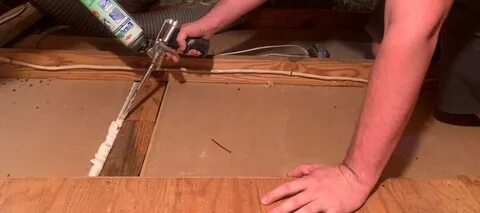
Insulate rim joist ( the perimeter where floor joists meet foundation walls ) using spray foam or rigid board .
Use insulation under suspended floors, crawl spaces , or over unheated basements.
Basement & foundations
In Finished basements , insulate interior of exterior walls with rigid foam+ framed wall.
In unfinished basements , consider insulating walls to reduce cold surfaces .
Add insulation to basement ceilings If you don’t the basement to reduce heat loss upward .
Each zones has unique stretagy and cost Considerations combinee wisely for efficient performance
Windows , Doors, and thermal Barriers
Windows and door are often weak points in thermal envelope upgrades here can make a noticeable difference .
Install double or triple are pane windows with low E coatings and argon or krypton fills .
Ensure the window frames or thermally optimized ( wood – clad , Vinyl , fiberglass).
Use storm windows in older homes to add a secondary barrier .
Apply window film thermal drapes or insulating shades for extra protection .
Replace poorly sealed doors with insulated , weatherstripped ones especially exterior and basement doors .
Use door sweeps to block air under door gaps
Even small improvements in these zones reduce draft , cut energy loss , and raise comfort .

Government Rebates , Incentives & Grants in Canada
One of the big advantages of doing this work in Canada is that many governments and agencies offer incentives to homeowners for energy efficient upgrades .
The Canada Greener Homes Initiative offers grants for eligible retrofit upgrades like attic , wall , floor, and basement Insulation.
In British Columbia the clean BC better homes program provides insulation rebates up to $5,500 .
Ontario’s Home winter proofing program (HWP) offer free upgrade for eligible households , including insulation and draft proofing .
various provincial energy efficiency programs (e.g NB’s total home energy savings ) support upgrades in insulation , air sealing , and more .
Always verify your province’s current offerings, eligibility criteria , and application deadlines before starting work .
By combining rebates with efficient planning , your out of pocket cost can drop significantly , improving ROI .

Cozy upgrades for the Interior
Beyond insulation, interior upgrades play a critical role in creating warmth and comfort.
wall treatments & paints
Use warmer neutral paint tones ( taupe , greige , soft ochre ) rather than stark white to visually warm up rooms
Consider textured finishes ( linenwalls , plaster , grasscloth ) to add depth and soften light .
Add accent walls with warm hues or wood veneer panels ( reclaimed or engineered ).
Adding thermal mass
Exposed brick, stone , or concrete ( when used wisely ) can act as thermal mass : absorbing heat during the day and releasing it at night .
Use in fireplaces , feature walls , or hearth areas .
Insulated Curtains & Drapes
Heavy layered drapery ( thermal lining + outer layer ) helps reduce heat loss through windows at night .
open curtains during the day to let solar gain in : close them at night to block heat escape .
Cross – zone Warmth
place soft rugs or carpets in cold areas to block cold floor surfaces .
Introduce wall mounted radiators or baseboard heaters in colder zones .
Use area rugs to define cozy zones ( like reading nooks ) in larger rooms .
- Flooring , Rugs & thermal Layers
Floor to ceiling thermal layering is essential in cold climates.
Area rugs over hardwood or tile help trap warmth especially rugs with dense fibers or wool .
Underfloor heating ( radiant floor systems ) can upgrade bathrooms or high use areas .
Use rug pads / underlays with insulating properties under rugs .
Layer textiles : throw blankets , sheepskins , faux fur throws for both
decor and added insulation .

Lighting & Ambience in Winter
lighting plays a psychological role in comfort during dark winter months .
Use warm white (2700k _ 3000 k ) bulbs in layered lighting ( ambient , task , accent) .
Introduce table lamps , floor lamps , and wall sconces to reduce reliance on harsh overhead lights .
Use LED dimmers to adjust brightness according to mood and daylight .
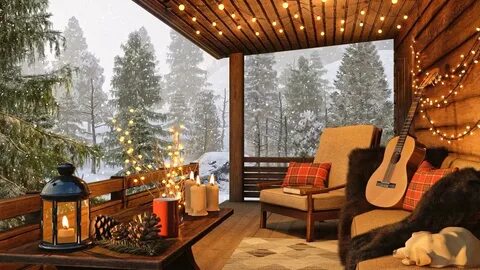
Add candles , string , lights or LED candles for cozy corners .
Use reflective Surfaces ( mirror’s metallic accents ) to amplify available light .
These light touches make your spaces feel inviting , not just insulated .
Furnishing & Textiles for warmth
your furniture and textiles are part of your insulation Strategy psychologically and physically.
Use fabrics like wool , velvet , boucle flannel materials that hold texture , warmth and coziness .
Add extra throw pillows , layered blankets and cushions leave them casually draped .
Choose furniture with soft curves and deep seating that encourages huddling in .
For upholstery , consider warm colors ( rust , olive , deep browns ) or neutral bases with seasonal accent covers .
Incorporate neutral elements ( wood wiker , leather ) that evoke a sense of warmth and connection to nature .
Ventilation & Indoor Air Quality
In tightly sealed homes you need to manage fresh air carefully while preserving energy.
Consider heat Recovery Ventilators ( HRVs or energy recovery ventilators ( ERVs ) exchange stale air with fresh air while retaining heat .
Use Exhaust fans in kitchens and bathrooms to remove moisture and prevent mold.
Monitor humidity levels ( ideally 30% _50 % ) to prevent overly dry air or condension issues.
Incorporate indoor plants or mechanical filtration to ensure air stays healthy .
A well insulated home without fresh air becomes stuffy , so balance is the key

smart HVAC Additions and controls
Upgrade your heating systems for efficiency , control and comfort
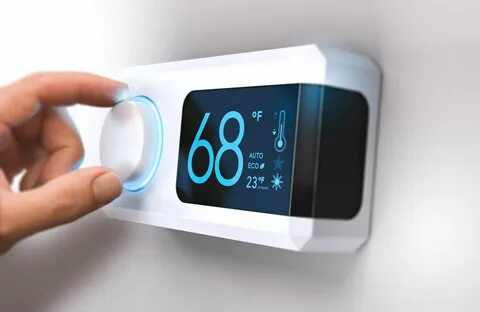
Use programmable or smart thermostats to better manage heating schedules.
Zoning systems ( especially in larger houses ) allow heating only where needed .
Supplemental heaters ( electric baseboards, radiant panels) can support in cold zones .
Use insulated ductwork or mini splits in extensions or additions.
Monitor energy usage via smart metering to detect anomalies or ineffeciencies .
These upgrades complement insulation to deliver real comfort and savings .
Seasonal Maintenance & Checklist
Before winter fully sets in , check off this list
Inspect attic vents , soffits and ridge vents
Seal flues , chimneys and unused fireplaces .
Clean , tune , or service heating systems and filters.
Inspect roof , flashing , gutters and downspouts .
Seal around pipes , conduits , HVAC penetrations.
Install or check insulation around attic hatches , doors
Test windows and doors for drafts add weatherstripping.
Move or store more summer gear , clear pathways for insulation installation .
flush and purge pipes to prevent freeze damage .
Test smoke & CO detectors , ensure safety systems are ready.
Doing these now avoids rush , delays or damage during freezing condition.

Cost Considerations & Return on investment
Here are key financial considerations
Material cost vs labor cost blown in or spray foam often cost more labor: DIY batts may bs cheaper but risk quality
Incentives & rebates : these can reduce net cost by 20-50% in many provinces.
Energy savings : many homes see 10-30% reduction in heating bills post upgrade .
payback period : Typically 5 -10 years depending on home size climate energy rates.
Value to home resale : energy efficient homes sell at a premium.
Staged upgrades : If full retrofit is too big at once , prioritize attic+ rim joist + air sealing first , expand later.
Always get multiple quotes , validate contractor credentials and check reference.

Summary & Next steps
preparing your Canadian home for winter is more than just fighting the cold its about combining structure upgrades ( insulation, sealing materials ) with interior enhanceme