
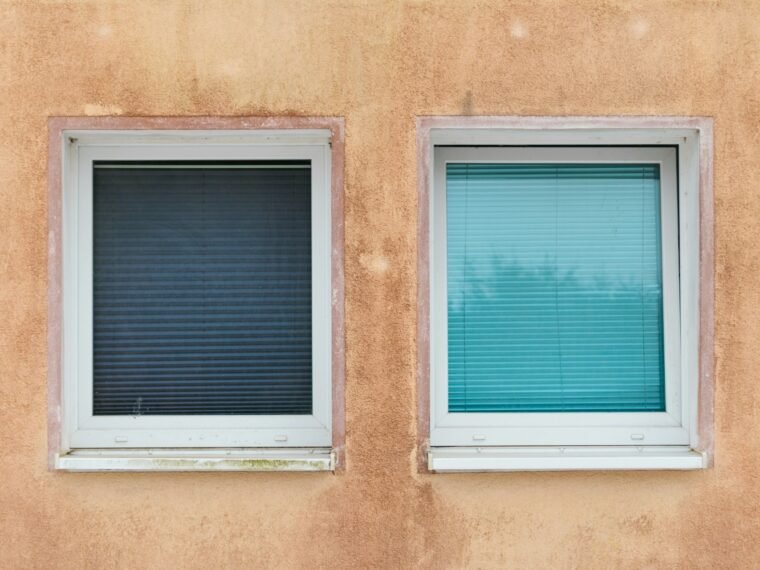
Choosing new windows is an important part of improving a property’s appearance, comfort and overall functionality. Whether a homeowner is renovating a traditional house or updating a modern building, the style of windows selected can have a noticeable impact on the finished result. However, appearance is only one consideration. Different window styles have different construction requirements, opening mechanisms, materials and installation needs, all of which can influence their overall cost.
For homeowners planning a replacement project, understanding these differences can make budgeting considerably easier. Some window designs are relatively straightforward to manufacture and install, while others involve more complicated structures or customised dimensions. Selecting the right option requires balancing appearance, practicality, energy efficiency and available budget.
Fortunately, researching these options has become easier with modern digital resources. A window price estimator can help homeowners explore potential costs and understand how different window configurations may affect their renovation plans. Before choosing a particular design, it is worth learning about the most common window styles available in the UK and the factors that influence their prices.
Why Window Style Matters When Planning a Renovation
Windows are an important architectural feature. They influence the amount of natural light entering a room, provide ventilation and contribute to the overall character of a building.
The wrong window style can look out of place, particularly in properties with distinctive architectural features. For example, replacing traditional sash windows with a completely different design may affect the appearance of an older home.
Similarly, a contemporary property may benefit from large glazed areas and slim frames that complement its modern design.
Window style also affects everyday functionality. Some designs are easier to clean, while others provide more flexible ventilation or better suit restricted spaces.
These differences should be considered before comparing prices. A suitable window should meet the property’s practical requirements as well as the homeowner’s aesthetic preferences.
1. Casement Windows
<text color=”secondary” size=”xs”>A versatile option for many UK homes</text>
Casement windows are among the most common designs found in British residential properties. They are attached to the frame using hinges and usually open outwards or inwards, depending on the configuration.
Their popularity comes from their straightforward design, practical operation and availability in different sizes and finishes.
Main Advantages
Casement windows can provide effective ventilation because the opening sections allow fresh air to enter the room.
They are also available with different frame materials, including uPVC, aluminium and timber. This makes them suitable for a wide range of property styles.
Another advantage is their flexibility. Homeowners can choose different opening arrangements depending on the size and position of the window.
What Influences Their Cost?
The overall price depends on dimensions, frame material, glazing specifications and the number of opening sections.
Standard-sized casement windows are generally simpler to manufacture than unusual customised designs. However, additional hardware, decorative finishes and specialist glazing can increase the cost.
For homeowners looking for a practical replacement option, casement windows are often worth considering.
2. Sash Windows
<text color=”secondary” size=”xs”>A traditional choice for period properties</text>
Sash windows are particularly associated with traditional British architecture. They are commonly found in Victorian and Georgian properties, where their distinctive appearance contributes to the building’s original character.
Unlike casement windows, traditional sash designs operate through sliding panels that move vertically or, in some modern variations, horizontally.
Main Advantages
Sash windows can complement period homes and maintain a traditional architectural appearance.
Modern versions are available with improved glazing and frame technology, allowing homeowners to combine a classic design with more contemporary performance features.
Some designs also provide flexible ventilation by allowing the upper and lower sections to open.
What Influences Their Cost?
Sash windows can be more expensive than simpler designs because of their operating mechanisms and construction requirements.
The type of frame, glazing, dimensions and hardware all influence the price.
Custom manufacturing may also be necessary when replacing original windows in older properties.
Homeowners should consider both the initial cost and the importance of preserving the property’s architectural character.
3. Tilt-and-Turn Windows
<text color=”secondary” size=”xs”>Flexible operation and convenient cleaning</text>
Tilt-and-turn windows are designed to offer two different opening positions.
The tilt function allows the top of the window to open slightly inwards, providing ventilation while keeping most of the window closed. The turn function allows the window to open further into the room.
This flexibility makes the design attractive to homeowners who want convenient ventilation and easier access for cleaning.
Main Advantages
One of the main benefits is versatility. The window can provide controlled airflow or open more widely when needed.
The inward-opening design can also make cleaning the external glass more convenient, particularly in certain upper-floor locations.
Modern tilt-and-turn windows are available in different frame materials and glazing configurations.
What Influences Their Cost?
The additional opening mechanism and associated hardware can affect the overall price.
Dimensions, frame specifications and glazing options also contribute to the final cost.
Homeowners should consider the available interior space because the window needs sufficient room to open inwards.
4. Bay Windows
<text color=”secondary” size=”xs”>An architectural feature that creates additional space</text>
Bay windows project outwards from the main wall of a property. They are often used in living rooms and dining areas to create a more open appearance and allow additional natural light into the space.
Depending on the design, a bay window may contain three or more individual sections arranged at different angles.
Main Advantages
Bay windows can make rooms feel brighter and more spacious. Their projecting structure can also provide an attractive architectural feature.
They are available in different styles, making them suitable for both traditional and contemporary homes.
What Influences Their Cost?
Bay windows can involve more complicated manufacturing and installation than standard flat windows.
Their multiple sections, angles, supporting structures and overall dimensions can increase the amount of material and labour required.
In some properties, additional structural considerations may also need to be assessed.
Because of these factors, homeowners should obtain detailed measurements and professional advice before finalising their budget.
5. Fixed Windows
<text color=”secondary” size=”xs”>Designed to maximise natural light</text>
Fixed windows are windows that do not open. They are primarily used to provide natural light and external views rather than ventilation.
They are often installed in living rooms, staircases and other areas where opening sections are not necessary.
Main Advantages
Because fixed windows do not require opening mechanisms, their design can be relatively simple.
They can also be manufactured in large sizes, depending on the frame specifications and structural requirements.
Fixed glazing can work particularly well when combined with opening windows in larger window arrangements.
What Influences Their Cost?
The price depends mainly on dimensions, glazing specifications, frame materials and installation complexity.
Large fixed windows may require thicker glass or additional structural support, depending on their design.
Homeowners should also consider how ventilation will be provided in the room if fixed windows are selected.
6. Sliding Windows
<text color=”secondary” size=”xs”>A practical option where outward opening is unsuitable</text>
Sliding windows operate by moving one or more sections horizontally along a track.
They can be useful in areas where outward-opening windows would be inconvenient, such as locations close to pathways or external structures.
Main Advantages
Sliding designs do not require the same opening clearance as hinged windows.
Their simple operation can make them convenient for everyday use, and they can be manufactured in different sizes and configurations.
What Influences Their Cost?
The track system, frame material, dimensions and glazing specifications all contribute to the overall price.
The quality of the sliding mechanism is particularly important because it affects how smoothly the window operates over time.
Homeowners should also consider maintenance requirements, including keeping tracks clean and checking moving components.
7. Aluminium Windows
Although aluminium is a frame material rather than a specific opening style, it is an important consideration when comparing window options.
Aluminium frames are commonly selected for contemporary homes because they offer strength and relatively slim profiles.
Their structural properties allow manufacturers to create large glazed areas while maintaining suitable frame support.
Aluminium windows are available in casement, sliding, fixed and other configurations.
The overall price depends on the design, dimensions, finish and glazing specifications. Thermal performance should also be considered because modern aluminium window systems use designs intended to reduce heat transfer through the frame.
8. uPVC Windows
uPVC is another frame material that can be used with several different window styles.
It is popular among UK homeowners because it generally requires relatively little maintenance and is available in a wide range of designs.
White uPVC remains a common choice, although wood-effect finishes and alternative colours are also available.
The cost depends on the quality of the profile, dimensions, hardware and glazing specifications.
For homeowners planning a renovation on a limited budget, comparing different uPVC configurations can be a useful starting point.
How to Compare the Estimated Costs of Different Window Styles
Once homeowners understand the available designs, the next step is comparing their potential expenses.
A window price estimator can make this process more convenient by allowing users to explore how different measurements and specifications may influence the estimated price.
For example, a homeowner may want to compare a standard casement window with a tilt-and-turn alternative using similar dimensions.
They can also investigate how changing the frame material or glazing specification affects the expected budget.
When using online estimation tools, it is important to provide accurate preliminary information. Dimensions, photographs and drawings can help create a more useful starting point, although professional measurements should still be obtained before manufacturing.
Homeowners should remember that estimated prices may not include every installation-related expense.
Other Factors That Influence the Final Window Replacement Budget
Window style is only one part of the total cost calculation.
Several additional factors should be considered when preparing a realistic renovation budget.
Number of windows: Replacing multiple windows increases the overall project expenditure, although some suppliers may offer more competitive pricing for larger orders.
Installation requirements: Removing existing frames, preparing openings and completing finishing work can influence labour costs.
Glazing performance: Enhanced thermal or acoustic specifications may increase the initial product price.
Property accessibility: Upper-floor installations and difficult access conditions may require additional equipment or labour.
Customisation: Unusual dimensions, decorative glass and specialist finishes can add to manufacturing expenses.
Considering these factors together provides a more complete understanding of the potential investment.
Choosing the Right Window Style for Your Property
The best window design depends on the building’s architecture, available space, practical requirements and budget.
Traditional properties may benefit from sash or timber-style windows, while modern houses often suit aluminium or contemporary casement designs.
For rooms where ventilation is important, opening windows may be more appropriate than fixed glazing.
Homeowners should also consider cleaning requirements, security features and how the windows will complement existing doors and external finishes.
Rather than selecting a design based exclusively on appearance or initial price, it is better to evaluate the complete value of each option.
Conclusion
Different window styles offer different advantages, and their prices can vary considerably depending on design, materials, dimensions, glazing and installation requirements.
Casement windows provide a versatile option for many homes, while sash windows suit traditional properties. Tilt-and-turn designs offer flexible operation, bay windows create distinctive architectural features and fixed windows can maximise natural light.
Understanding these differences allows homeowners to compare products more effectively and choose options that suit their individual requirements.
Using a window price estimator can also simplify the early budgeting process by helping users explore potential costs before requesting detailed quotations.
Ultimately, successful window replacement involves balancing appearance, functionality, durability and affordability. Careful research, accurate measurements and professional installation can help ensure that the chosen windows provide lasting value for the property.
