
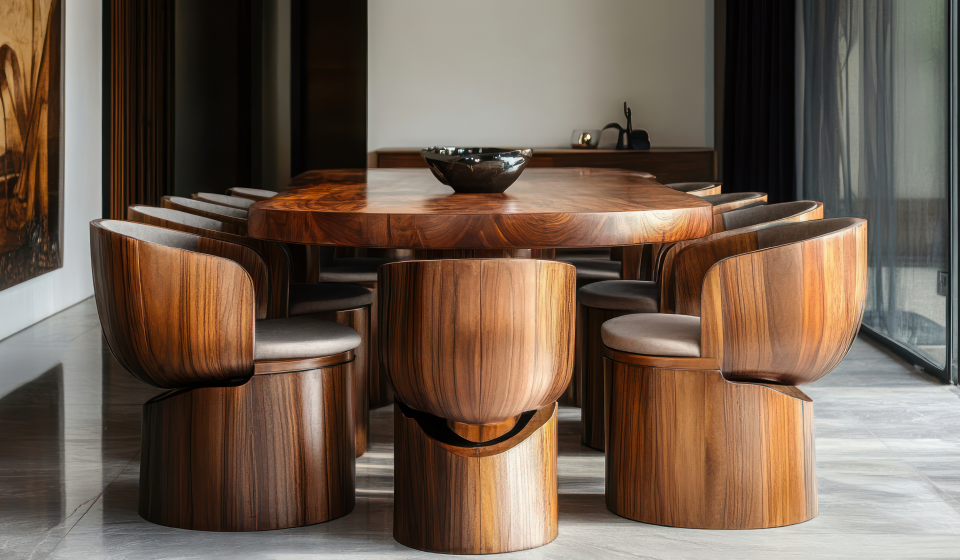
Timber furniture can bring a sense of consistency to a home while still allowing each room to have its own character. With natural colours, varied grain patterns and a range of furniture styles available, timber can work across different interiors without making every space look identical. Choosing timber furniture with similar tones, finishes or design details can help different areas of the home feel connected and thoughtfully put together.
How Timber Furniture Creates a Cohesive Home
Natural Timber Tones Connect Different Spaces
Timber comes in a variety of shades, from light oak and honey tones to rich brown finishes. Choosing similar timber tones across different rooms can help create a natural connection throughout the home.
For instance, a timber coffee table in the living room can complement a dining table in another area. Similar tones help tie the spaces together while allowing each room to have its own style.
Consistent Materials Create Visual Continuity
Using the same material in different parts of the home can make the overall interior feel more connected. Timber furniture can be introduced through coffee tables, dining settings, bedside tables, shelving and storage pieces.
The furniture does not need to come from the same collection. Keeping timber as a recurring material is often enough to establish a common thread between rooms while leaving space for different colours, fabrics and decorative pieces.
Complementary Finishes Keep the Look Balanced
The finish of timber furniture can influence the overall look of a room. Natural and matte finishes suit relaxed interiors, while darker or polished finishes can create a more refined feel.
When using different timber pieces together, choose finishes that complement each other. Similar finishes can help the furniture look connected without requiring an exact match.
Timber Furniture Works Across Different Styles
Timber furniture suits a wide range of interior styles, from modern spaces with clean lines to traditional rooms with more detailed designs. This makes it easy to choose pieces that fit the character of the home.
It also works well with materials such as upholstery, metal, glass and textured fabrics. These combinations allow timber pieces to complement existing furniture and decor without making the room feel mismatched.
Repeating Timber Elements Create a Unified Look
Using timber in different areas of the home can help create a sense of consistency. For example, a timber dining table can be paired with timber dining chairs, while a timber bed frame can complement matching bedside tables.
Repeating similar timber tones or finishes across furniture can link different rooms without making every piece look identical.
How to Choose Timber Furniture That Complements Your Home
Consider Your Existing Colour Scheme
Start by looking at the colours already present in the room. Wall colours, flooring, rugs and upholstery can all influence which timber shade will work well.
If the room already contains neutral colours, both light and medium timber tones may suit the space. Darker furniture can provide stronger contrast where the existing palette is lighter.
Choose a Timber Tone That Suits Your Interior
Think about whether a light, medium or dark timber tone will work with the rest of the home. Light timber can help create a bright, open feel, while medium and darker tones can add more definition to a room.
There is no need to use one exact timber shade everywhere. Choosing tones that complement each other can create a more natural result.
Match the Furniture Style to Your Home
Consider the shape, detailing and overall design of existing furniture. Simple, clean-lined pieces pair well with timber furniture featuring understated designs, while more traditional interiors can suit timber furniture with decorative details.
Consider Size and Proportion
Furniture should suit the size of the room as well as the surrounding pieces. A large timber dining table may work well in an open dining area but feel crowded in a smaller room.
Measure the available space and consider walkways before choosing furniture. Proportion is just as important as colour when creating a balanced interior.
Look at the Timber Finish and Grain
Every timber piece can have its own grain pattern and surface character. When selecting several pieces, look at how the grain and finish work together rather than expecting an exact match.
A consistent finish can help different pieces feel related, while some variation can keep the interior from looking overly coordinated.
How to Style Timber Furniture Across Different Rooms
- Living Room: Pair a timber coffee table or side table with a sofa, rug and soft furnishings. Keep the timber tone related to other wooden features in the room.
- Dining Room: A timber dining table can become the main furniture piece, complemented by timber dining chairs in a matching or slightly contrasting finish. Add simple lighting and table accessories to complete the setting.
- Bedroom: Timber bed frames, bedside tables and drawer units can create a consistent foundation. Soft bedding and neutral fabrics can balance the harder furniture surfaces.
- Entryway: A timber console, bench or storage unit can introduce the material as soon as someone enters the home. Keep decorative items simple so the furniture remains the main feature.
Conclusion
Timber furniture offers a practical way to create consistency across different areas of a home. Similar timber tones, complementary finishes and repeated materials can connect rooms without requiring every piece to match.
The key is to consider the existing interior before buying new furniture. Colour, style, size, proportion, finish and grain all contribute to how well a timber piece fits into the space. With thoughtful choices, timber furniture can create a home that feels connected while allowing each room to retain its own personality.
Frequently Asked Questions
What are the benefits of using timber furniture throughout a home?
Timber furniture can provide consistency between rooms and works with many interior styles. It is also available in different colours, finishes and designs, making it easier to find pieces that suit different areas of the home.
How does timber furniture help create a consistent interior style?
Repeating timber tones, finishes and design details across different rooms can create a connection between spaces. Furniture does not need to match exactly to achieve a coordinated appearance.
What timber colour is easiest to coordinate with existing furniture?
Medium and natural timber tones can be relatively versatile because they can work with both lighter and darker furnishings. However, the most suitable colour depends on the existing flooring, walls and furniture.
Can different types of timber furniture be used together?
Yes. Different timber pieces can work together when their colours, finishes and overall styles complement each other. Slight variations can also give the interior a more relaxed and natural appearance.
What should you consider when choosing timber furniture?
Consider the room’s colour scheme, timber tone, furniture style, size, proportion, finish and grain. It is also useful to think about how the new piece will relate to timber furniture and other materials already present in the home.
