
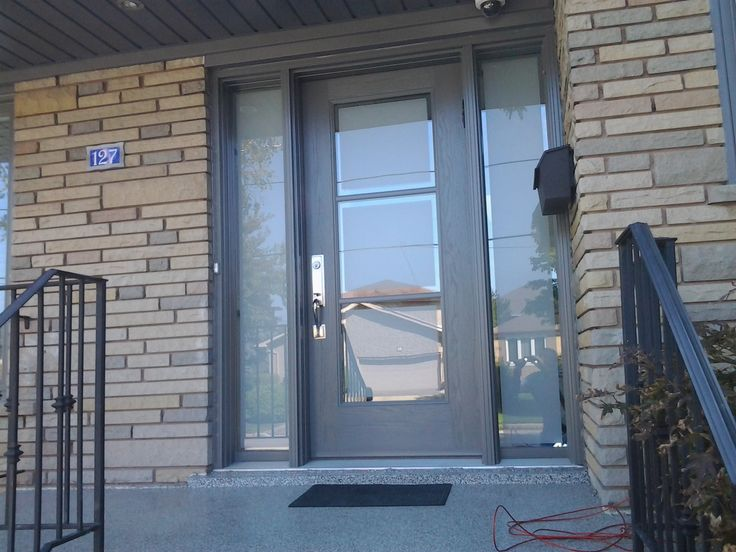
Modern Fiberglass Exterior Doors for Lasting Curb Appeal
A front door is more than an entrance. It creates the first impression of a home, supports the overall exterior design, and helps define the property’s character.
Homeowners often want the rich appearance of a traditional wood door without the maintenance demands that may come with natural wood. This is where fiberglass doors provide a practical alternative. Modern fiberglass exterior doors combine attractive design, durability, insulation, and flexibility, making them suitable for both new construction and home renovation projects.
Available in contemporary, craftsman, divided-lite, solid, privacy-glass, narrow-profile, and wrought-iron designs, fiberglass doors can complement almost any architectural style.
Why Fiberglass Doors Are Growing in Popularity
Fiberglass doors have changed significantly over the years. Older designs were sometimes easy to distinguish from natural wood, but modern manufacturing techniques have made it possible to create realistic grain patterns, detailed panels, and sophisticated finishes.
Today, homeowners can choose a fiberglass door that resembles stained wood or select a smooth design with a painted finish. This gives them the freedom to create a traditional, rustic, transitional, or modern entrance without being restricted to one particular appearance.
Fiberglass is also known for its ability to handle changing weather conditions. Knockety notes that its fiberglass doors are designed to resist problems such as rotting, warping, splitting, and cracking while offering authentic wood-style grain patterns.
Create Lasting Curb Appeal
Curb appeal is influenced by the way different exterior features work together. The front door should feel connected to the home’s siding, brickwork, stone, windows, roofline, and landscaping.
A modern fiberglass door can become an attractive focal point without overpowering the rest of the property. A deep black door can create contrast against a white exterior, while a warm wood-look finish can soften a home with stone or neutral siding.
For a contemporary property, homeowners may prefer clean horizontal panels, narrow glass inserts, or minimalist hardware. Traditional homes often look better with raised panels, decorative glass, or craftsman-style detailing.
The goal is not simply to select a beautiful door. It is to choose one that feels like a natural part of the home.
Popular Fiberglass Exterior Door Styles
Modern fiberglass doors are available in a wide variety of designs. Understanding the main styles can make it easier to select an option that matches the property.
Contemporary Fiberglass Doors
Contemporary doors usually feature simple lines, geometric glass panels, and minimal decoration. They are ideal for modern homes with large windows, flat rooflines, smooth stucco, or mixed exterior materials.
A smooth painted finish can provide a clean appearance, while a wood-grain fiberglass finish introduces warmth without making the entrance feel overly traditional.
Craftsman-Style Doors
Craftsman doors commonly feature a glass panel near the top, balanced proportions, and subtle architectural detailing. They pair well with homes that include exposed beams, stone columns, covered porches, or natural exterior materials.
These doors create a welcoming appearance while maintaining a strong and structured design.
Divided-Lite Doors
Divided-lite fiberglass doors use multiple glass sections to bring natural light into the entrance. Depending on the glass configuration, they can suit farmhouse, traditional, industrial, or contemporary properties.
Homeowners should consider how much privacy they need before choosing a glass layout. Clear glass provides maximum light and visibility, while textured or privacy glass offers a more discreet entrance.
Solid Fiberglass Doors
A solid door is an excellent option for homeowners who prioritize privacy or prefer a simple, substantial entrance.
Solid fiberglass doors may include raised panels, square panels, arched detailing, or contemporary grooves. Their understated appearance also allows decorative hardware, exterior lighting, or surrounding architecture to receive more attention.
Wrought-Iron Fiberglass Doors
Fiberglass doors with wrought-iron details create a more decorative and luxurious entrance. They work particularly well with Mediterranean, Spanish, Tuscan, and traditional home designs.
Dark ironwork can provide a striking contrast against a warm wood-style finish, creating depth and visual interest.
The Appearance of Wood With Practical Benefits
One of the biggest advantages of fiberglass is its ability to recreate the look of natural wood.
High-quality fiberglass doors can feature molded grain patterns and stained finishes inspired by popular wood species. From a distance, and sometimes even at close range, a well-designed fiberglass door may closely resemble a traditional wooden entrance.
This allows homeowners to enjoy the warmth of a wood-style finish while choosing a material designed for changing outdoor conditions.
Homeowners exploring fiberglass exterior doors can compare solid, glass-panel, craftsman, contemporary, narrow-profile, and decorative options before selecting a design for their home.
Energy Efficiency and Indoor Comfort
A front door affects more than exterior appearance. An old, poorly fitted, or improperly sealed door can allow air to move between the interior and exterior of a home.
The U.S. Department of Energy advises that old, uninsulated, improperly installed, or poorly sealed exterior doors may leak air and waste energy. It recommends selecting an energy-efficient door and ensuring that it is properly installed and air sealed.
Many fiberglass doors are built with an insulated core, which can help reduce heat transfer. However, homeowners should not judge energy performance based on material alone.
ENERGY STAR explains that certified doors are independently tested and rated by the National Fenestration Rating Council. Door performance requirements also vary based on the amount of glass included in the design.
Proper installation remains essential. Even a high-performing door may allow drafts when the frame is not square, the threshold is incorrectly adjusted, or gaps are left around the opening.
Lower Maintenance Requirements
Exterior doors are continuously exposed to sunlight, moisture, temperature changes, dust, and daily use. The amount of maintenance required will depend on the door’s construction, finish, exposure, and installation.
Fiberglass doors are often selected because they generally require less routine maintenance than natural wood doors. They do not need the same level of sanding or refinishing that some wood entrances may require.
Basic care usually includes cleaning the surface with suitable products, inspecting the weatherstripping, checking the finish, tightening hardware, and confirming that water is not collecting around the threshold.
A covered entrance can provide additional protection, especially in locations with intense sunlight or heavy rainfall.
Selecting the Right Finish
The finish has a major impact on the final appearance of a fiberglass door.
Wood-grain finishes work well for homeowners who want warmth and natural character. Dark walnut and mahogany-inspired tones can create a formal appearance, while lighter finishes may suit coastal, farmhouse, or contemporary properties.
Painted fiberglass doors provide even more flexibility. Homeowners can choose neutral colors that blend with the exterior or bold shades that turn the entrance into a focal point.
Before choosing a finish, consider:
- The home’s siding, stone, or brick color
- Existing window frames
- Roof and trim colors
- Exterior lighting
- Porch size and sun exposure
- Door hardware finish
Finish samples can be useful because online images may not show the exact color, texture, or grain appearance under natural light. Knockety also advises that fiberglass finish appearance can vary and offers samples for customers who want to review finishes before ordering.
Consider Glass, Sidelights, and Transoms
Glass can completely change the appearance and function of an entrance.
A small upper glass panel brings light into the foyer while preserving privacy. Full-lite and divided-lite designs create a brighter, more open entrance. Privacy and patterned glass can balance daylight with discretion.
For wider entryways, sidelights can make the door feel more proportional to the exterior. A transom above the door can add architectural height and introduce additional natural light.
Homeowners should consider both style and performance when selecting glass. The amount and type of glazing can influence privacy, security, solar heat gain, and overall energy efficiency.
Complete the Entrance With the Right Hardware
Door hardware should support the overall design rather than feel like an afterthought.
Matte black handles create a strong contrast against lighter finishes and work particularly well with modern doors. Bronze hardware complements craftsman and rustic styles, while brushed nickel or stainless finishes suit contemporary entrances.
The scale of the hardware is also important. A large eight-foot door may need a longer pull handle or substantial entry set, while a standard-sized panel door may look better with more traditional hardware.
Exterior lighting, house numbers, planters, and a new welcome mat can further improve the finished entrance.
Measure Carefully Before Ordering
Accurate measurements are necessary when replacing an exterior door. Homeowners should confirm more than the height and width of the existing door slab.
Important details include:
- Rough opening dimensions
- Door handing
- Swing direction
- Jamb depth
- Threshold requirements
- Bore preparation
- Sidelight or transom dimensions
- Existing trim conditions
Professional measurement and installation can help prevent issues such as sticking, uneven gaps, water intrusion, air leakage, or improper locking.
Final Thoughts
A modern fiberglass exterior door from Knockety can improve curb appeal while providing practical advantages for everyday living.
With realistic wood-grain finishes, smooth painted surfaces, decorative glass, solid panels, and multiple architectural styles available, Knockety helps homeowners achieve the right balance of design and durability.
The best door will complement the architecture, provide the desired level of privacy, support energy performance, and fit the entrance correctly.
By exploring Knockety’s selection of finishes, glass configurations, hardware options, and door styles, homeowners can create an entrance that feels welcoming today and remains visually appealing for years to come.

Editorial Team
Hi, I’m Asif, the creator of Lifeline Homestyle! Passionate about home design, DIY projects, and stylish living, I share practical tips and creative ideas to help you transform your home into a cozy, functional, and beautiful space. Whether you’re looking for renovation hacks or home decor inspiration, you’ve come to the right place

